

If you already have solar panels, or you are pricing up a full solar installation, the same question usually comes up quite quickly – is solar battery storage worth it? The honest answer is yes for some properties, no for others, and somewhere in the middle for plenty. It depends on how and when you use electricity, what you pay for it, and whether you want the best financial return or more control over your energy.
For many households and small businesses in Hull, East Yorkshire and Lincolnshire, battery storage makes sense because it helps you use more of the electricity you generate instead of sending it back to the grid. But it is not a magic fix, and it is not always the fastest payback item in a solar system. The right answer comes from the numbers, not a sales pitch.
Is solar battery storage worth it for most homes?
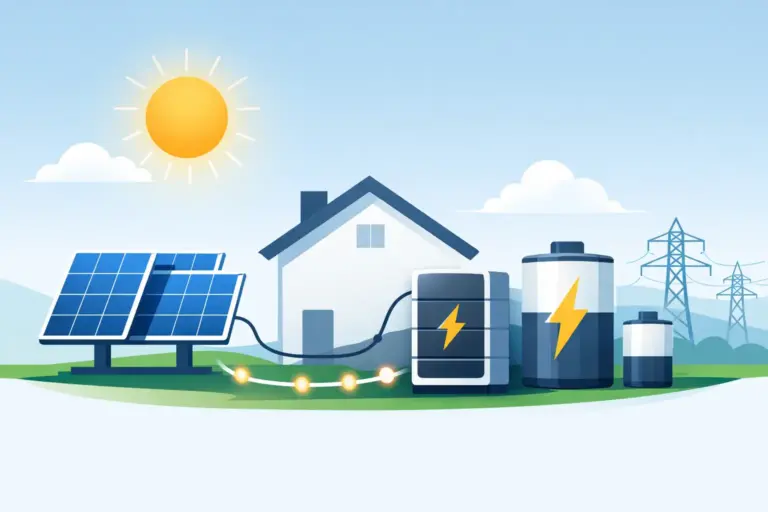
A solar battery stores surplus electricity your panels generate during the day, so you can use it later when the sun has gone down or when your property needs more power than the panels are producing.
Without a battery, a lot of daytime solar generation can be exported. That is fine if someone is at home using appliances through the day, but many households are out at work or school when generation is highest. In that case, you can end up buying electricity back from the grid in the evening at a much higher rate than you were paid for exporting it.
That gap is where battery storage can add value. Instead of exporting cheap and importing expensive, you keep more of your own generation on site. The more of your own solar you can use, the better the economics tend to look.
That said, “worth it” means different things to different people. Some want the shortest possible payback. Some want lower reliance on the grid. Some want a measure of protection against rising energy prices. Others simply want to make better use of the solar they are already generating. All of those are valid reasons, but they do not produce the same return.
What makes battery storage good value?
The best-value battery installations usually have one thing in common – there is electricity available to store at the right time, and a clear need to use it later.
If your solar panels produce plenty of excess electricity through the middle of the day, and your home uses more power in the morning and evening, a battery can work well. This often suits families who are out through the day, then come home to cook, put washing on, charge devices and run lights, televisions and heating controls.
It can also suit small businesses with daytime generation patterns that do not perfectly match consumption, especially where there is interest in reducing imported electricity and improving long-term energy planning.
Another factor is your tariff. If your import rate is high and your export payment is relatively low, storing power for your own use becomes more attractive. Some batteries can also be charged from the grid on cheaper off-peak tariffs and then used at peak times. Done properly, that can improve the case further, although it needs to be designed around the right system and the right usage pattern.
When is solar battery storage less often worth it?
Battery storage is not automatically the right choice.
If you already use most of your solar generation during the day, the benefit of storing surplus power is smaller because there is less surplus to begin with. The same applies if your property has a modest solar array that does not generate much spare electricity after covering daytime demand.
It can also be less attractive if you are on a strong export tariff that pays well for excess generation. In that situation, exporting is not necessarily a bad outcome. You may still want a battery for energy independence or future flexibility, but the pure savings case can be weaker.
There is also the upfront cost to consider. A battery adds to the installation price, and while it can reduce bills, the payback period is often longer than some people expect. Honest advice matters here. If a battery only knocks a relatively small amount off your annual bill, the numbers may not stack up as neatly as they do on a sales brochure.
The main benefits beyond simple payback
Savings matter, but they are not the whole story.
One of the biggest advantages of battery storage is better self-consumption. You get more value from the solar electricity you generate because you use more of it yourself. That can make your system feel more useful day to day, rather than watching generation leave the property and then buying power back later.
There is also a control factor. Energy prices have been unpredictable, and many homeowners want less exposure to that. A battery does not remove you from the grid, but it can reduce how much electricity you need to buy at expensive times.
Some systems can also provide backup power during an outage, depending on the equipment and how the installation is designed. This is not standard on every battery system, so it needs to be discussed properly at quotation stage. For some customers, especially home workers or businesses with essential equipment, that extra resilience has real value.
The trade-offs you should know before buying
Battery storage has clear benefits, but there are practical trade-offs.
First, batteries do not last forever. They degrade over time, just like any technology that charges and discharges repeatedly. Good systems come with solid warranties, but the long-term performance still needs to be part of the conversation.
Second, size matters. An undersized battery may fill quickly and still leave you importing power later. An oversized battery may cost more than the usable savings justify. The best results usually come from matching battery capacity to your actual usage, not simply fitting the biggest unit available.
Third, your property and existing setup matter. If you have an older solar inverter, limited space, or plans to add an EV charger later, those factors can influence what type of battery system makes sense and whether it is better to install everything together.
How to judge if a battery is worth it for your property
The starting point is simple – look at when you use electricity, not just how much.
If most of your usage happens after sunset, and your panels will be generating strongly during the day, there is a good chance a battery could help. If you already use appliances through the day and have very little export, the gain may be more limited.
A proper assessment should look at your annual consumption, likely solar generation, export levels, evening demand, tariff structure and future changes. Planning to buy an electric vehicle, switch to electric heating, or spend more time working from home can all change the picture.
This is why a one-size-fits-all quote is rarely a good sign. A decent installer should explain the likely return in plain English, show where the savings come from, and be upfront if battery storage is only marginal for your property.
Is solar battery storage worth it with rising energy costs?
Higher electricity prices tend to improve the case for battery storage, because every unit of solar power you keep and use yourself avoids buying that unit from the grid later.
That does not mean any battery becomes good value overnight. The system still needs to be sized properly, installed correctly and matched to the right tariff. But when import prices rise faster than export payments, batteries generally become more appealing.
For customers thinking long term, that matters. A battery may not only be about what it saves this year. It can also be about putting your property in a stronger position for the next ten years, especially as homes use more electricity for EV charging, electric heating and general day-to-day living.
The bottom line on battery storage
Battery storage is usually worth considering if you want to use more of your own solar, reduce reliance on peak-rate electricity and make your energy setup work harder for you. It is less compelling if you already use most of your solar as it is generated or if the figures only produce modest savings over a long payback period.
The key is to avoid blanket answers. Some properties are ideal for battery storage, some are not, and plenty sit between the two. The right decision comes from a realistic assessment of your usage, your tariff and your goals.
At Steel Electrical Services Ltd, the best conversations about solar and battery storage are the straightforward ones – what you use, what you generate, what it is likely to save, and whether it genuinely makes sense for your property. If the numbers are right, battery storage can be a very worthwhile upgrade. If they are not, honest advice is worth more than forcing a system that does not fit.