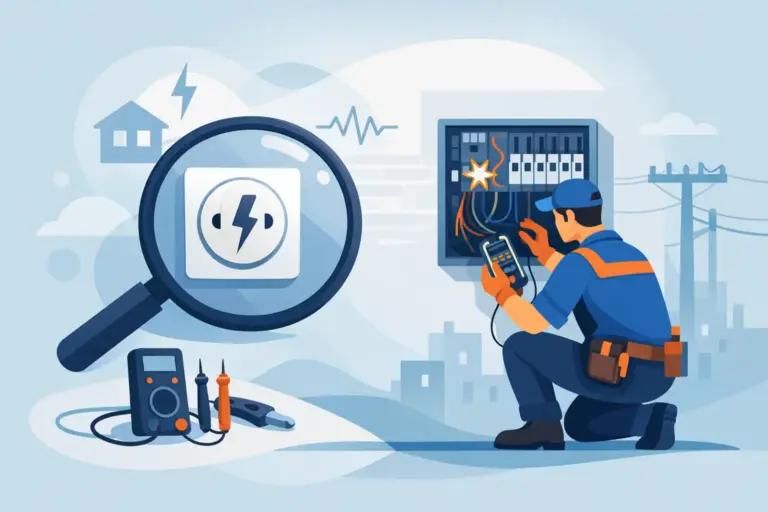


You usually do not think about your electrics until something starts tripping, a socket feels warm, or a property sale throws up a last-minute question. That is often when people ask, what is an EICR, and do I actually need one? In simple terms, an EICR is a formal inspection and report on the condition of a property’s fixed electrical installation.
It is not a quick glance at the fuse board and it is not the same as a minor repair visit. An EICR is a proper test carried out by a qualified electrician to check whether the electrics are safe for continued use. For homeowners, landlords and business owners, it gives a clear picture of the condition of the installation and highlights anything that needs attention.
What is an EICR?
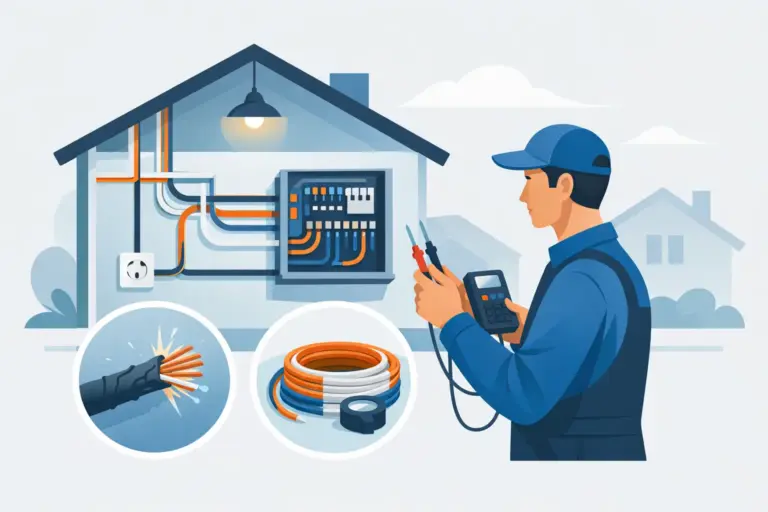
EICR stands for Electrical Installation Condition Report. The report is designed to assess the safety and overall condition of fixed wiring within a property. That includes items such as the consumer unit, circuits, sockets, light fittings, switches and earthing arrangements.
The aim is straightforward. It checks whether the installation has deteriorated over time, whether there is damage, wear, poor workmanship, outdated components or anything that could present a risk of electric shock or fire. Electrical systems do not stay in the same condition forever, and an EICR is the recognised way of assessing whether they are still safe.
This matters because many electrical issues are not obvious in day-to-day use. A property can appear to work normally while still having hidden faults, lack of proper protection or signs of ageing that need sorting.
What an EICR checks
An EICR focuses on the fixed electrical installation rather than portable appliances. If you plug in a kettle or computer, that appliance itself is not the main subject of the report. The wiring and infrastructure supplying power to it are.
During the inspection, an electrician will usually carry out both a visual check and a series of dead and live tests. They are looking at things such as the condition of the consumer unit, whether protective devices are suitable, the effectiveness of earthing and bonding, the condition of cabling where visible, and whether circuits are overloaded or incorrectly installed.
They also check whether the installation meets the required safety standard for continued service. That does not always mean bringing an older installation up to the very latest standard in every respect. There is an important difference between something being old and something being unsafe. A good electrician will explain that difference clearly.
Who needs an EICR?
Landlords are the group most commonly associated with EICRs because rented properties have clear legal duties around electrical safety. In England, landlords must ensure the electrical installation is inspected and tested at least every five years by a qualified person. If you let out a house or flat, an up-to-date report is not optional.
Homeowners also benefit from periodic inspection, even when there is no legal requirement in the same way. If you have lived in a property for years, bought an older home, noticed recurring electrical faults or are planning renovation work, an EICR is a sensible step. It gives you a proper baseline instead of guesswork.
For commercial premises, regular inspection is often part of broader health and safety responsibilities, insurance expectations and good property management. Offices, shops, workshops and industrial units all rely on safe electrical systems. Downtime from electrical faults can be disruptive and expensive, so identifying problems early has practical value as well as safety value.
When should you have one done?
There is no one-size-fits-all answer, because usage, age and property type all matter. As a rule, rented domestic properties are typically inspected every five years. Commercial premises may need more frequent inspection depending on the environment and how heavily the system is used.
If a building is older, has had bits of electrical work carried out over the years by different people, or shows signs of wear, it may be worth arranging an inspection sooner. The same applies if you are buying or selling a property and want a clearer picture of the electrical condition before decisions are made.
A recent extension, consumer unit upgrade or rewire does not always mean the whole installation has been properly assessed. Sometimes one part is new while the rest of the system is still ageing.
What happens during an EICR?
The electrician will begin with a visual inspection and then carry out testing on the circuits. In most cases, the power will need to be switched off for periods while dead testing is done, then turned back on for live testing. That is normal, so it is worth planning ahead if the property is occupied or trading.
The time involved depends on the size and complexity of the building. A small flat is very different from a large house, office or commercial unit. Access also matters. If areas are blocked, locked or full of stored items, the inspection can take longer or be limited.
Once the testing is complete, you receive the report itself. That document records the observations made, the test results and any issues found. If remedial work is needed, that is normally quoted separately.
Understanding EICR codes
This is the part many people want translated into plain English. An EICR uses classification codes to show how serious any issue is.
C1 means danger is present. There is an immediate risk and urgent action is required.
C2 means potentially dangerous. It may not be causing harm right now, but it needs attention as a priority.
C3 means improvement recommended. This is not usually classed as an unsatisfactory outcome on its own, but it shows there is room to improve safety.
FI means further investigation required. Something has been identified that needs more work to properly assess.
If a report contains C1, C2 or FI observations, it will generally be classed as unsatisfactory. If it contains only C3 items, it can still be satisfactory. That distinction matters, particularly for landlords and anyone dealing with compliance.
Does a failed EICR mean a full rewire?
Not necessarily. This is one of the biggest misconceptions.
An unsatisfactory EICR does not automatically mean the whole property needs rewiring. In some cases, the issues are localised and can be corrected with targeted remedial work, such as replacing damaged accessories, improving bonding, correcting circuit protection or dealing with faults in specific areas.
That said, there are properties where an EICR reveals more widespread problems. Older installations with outdated wiring, poor alterations or signs of long-term neglect may need substantial work. The right answer depends on what the inspection finds. Honest advice matters here. There is no benefit in underplaying a serious problem, but there is also no reason to recommend major work where a more proportionate fix will do the job.
Why an EICR matters even when nothing seems wrong
Electrical wear is often hidden. Cables run behind walls and under floors. Protective devices can be outdated without looking dramatic. Earthing faults are not something most people can spot by eye.
That is why an EICR is useful. It helps catch issues before they become emergencies. For landlords, it supports legal compliance and tenant safety. For homeowners, it can prevent a minor issue turning into a bigger repair bill. For businesses, it supports continuity as well as safety.
It can also be helpful when planning other work. If you are considering a kitchen refurb, an extension, EV charger installation or solar and battery upgrades, knowing the condition of the existing installation is a sensible starting point.
Choosing the right electrician for an EICR
This is not a box-ticking exercise, so who carries out the report matters. You want a properly qualified electrician who understands inspection and testing, explains the findings clearly and gives practical advice on what actually needs doing.
The cheapest report is not always the best value if it is rushed, unclear or followed by vague recommendations. A thorough EICR should be accurate, fair and easy to understand. If remedial work is needed, you should know what the issue is, how urgent it is and what the fix involves.
For property owners across Hull, East Yorkshire and Lincolnshire, working with a contractor that handles both domestic and commercial electrical work can be useful, especially if you need follow-on repairs completed promptly.
What is an EICR really telling you?
At its core, an EICR tells you whether your electrical installation is safe for continued use and what, if anything, needs attention. That might confirm everything is in decent order, or it might flag risks that have been sitting unnoticed for years. Either way, you are dealing with facts rather than assumptions.
If you have been putting it off because the term sounds technical, the reality is simpler than it seems. An EICR is just a professional health check for the electrics in your property. And when safety, compliance and peace of mind are on the line, getting a clear answer is always better than hoping for the best.