

High electricity bills usually prompt the same question: is solar actually worth it, or is it another expensive upgrade that sounds better than it performs? For many homes and businesses, solar pv and battery storage systems do make solid financial sense, but only when the design matches the property, the usage pattern, and the long-term goal.
That is where a lot of confusion starts. People often focus on panel numbers or battery size before dealing with the practical basics – roof suitability, daytime usage, export rates, and the condition of the existing electrical installation. A good system is not about fitting the most equipment. It is about fitting the right equipment.
What solar PV and battery storage systems actually do
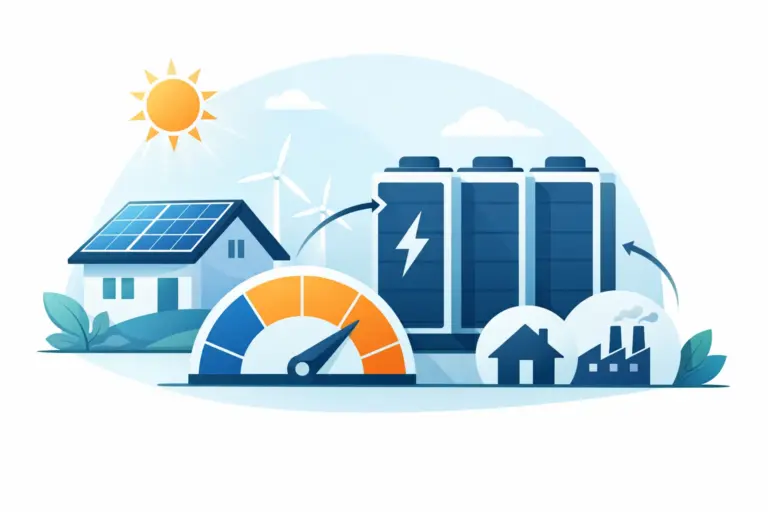
Solar PV panels generate electricity from daylight. That power is then used by the property first, with any surplus either stored in a battery or exported back to the grid, depending on how the system is configured and what the battery is doing at that moment.
The battery does not generate electricity on its own. It stores excess energy so you can use more of what your panels produce later in the day, usually in the evening when household demand is higher and the sun is no longer doing the work. For a business, that stored energy may help cover early morning start-up loads or reduce imported electricity during peak periods.
This matters because without a battery, a large share of solar generation can leave the property unused if nobody is there to consume it at the time. With a battery, self-consumption usually improves. That can mean lower bills and better value from the system overall.
Why demand has grown so quickly
The main driver is simple: energy costs have become a serious concern. Homeowners want more control over their bills, and businesses are looking at every overhead with closer attention. Solar is no longer seen as a niche add-on. It is increasingly viewed as part of sensible property investment.
There is also more awareness now around energy resilience. While a standard battery system does not automatically provide full backup during a power cut, some systems can be designed with backup capability in mind. That is not essential for every customer, but it is worth discussing if continuity matters, especially for business premises or homes with specific needs.
Just as important, the technology has improved. Panels are more efficient than they were a decade ago, batteries are more capable, and monitoring apps make it easier to see what the system is doing. That said, better technology does not remove the need for proper design and installation.
Is your property suitable?
Most people assume the answer depends only on whether they have a south-facing roof. In reality, there is a bit more to it. South-facing roofs tend to offer the strongest generation, but east and west-facing roofs can still perform well, particularly when energy use is spread across the day.
Shade is another factor. Chimneys, neighbouring buildings, and trees can all affect output. Roof condition matters too. If a roof needs significant work in the near future, it often makes sense to deal with that before panels are fitted.
Inside the property, the existing consumer unit, earthing arrangements, and general condition of the electrical installation need checking. A solar and battery installation should not be treated as a bolt-on extra. It needs to integrate safely with the wider electrical system.
The real difference a battery makes
A lot of customers ask whether the battery is worth adding at the start or whether panels alone are enough. The honest answer is: it depends on how and when you use electricity.
If a property is occupied through the day, solar-only can still work well because more generated electricity gets used as it is produced. If the property is empty for long periods during daylight hours, a battery can make a stronger case because it allows stored power to be used later instead of buying from the grid in the evening.
Batteries can also help if you are on a tariff that rewards smart charging and discharging. In some cases, people use battery storage to charge at cheaper off-peak rates and reduce grid use at more expensive times. That approach can improve savings, but the system and tariff need to be looked at properly rather than guessed.
The trade-off is the upfront cost. Adding battery storage increases the installation price, so the payback period can be longer than for solar panels alone. Even so, many customers still prefer the extra control and future flexibility a battery offers.
What affects savings and payback
There is no honest one-size-fits-all figure. Savings depend on the size of the system, the property’s electricity demand, how much energy is used during daylight hours, battery capacity, export arrangements, and current electricity prices.
A larger system is not automatically better. If generation regularly exceeds what the property can use or store, the value of that extra capacity may be lower than expected. On the other hand, undersizing a system can leave savings on the table, especially where demand is consistently high.
Usage habits make a real difference. Running appliances such as washing machines, dishwashers, immersion heaters, or certain business equipment during solar-generating hours can improve return. So can load shifting, where some electricity use is moved to cheaper or more productive times.
That is why any sensible quotation should be based on actual usage patterns, not rough assumptions. Estimated savings are useful, but they need to be grounded in reality.
Choosing the right solar PV and battery storage systems
The right setup starts with the property and the customer, not a standard package. A homeowner may want to cut monthly bills and make better use of daytime generation. A landlord may be more focused on property value and long-term appeal. A small business may want to reduce operating costs while showing a practical commitment to lower carbon use.
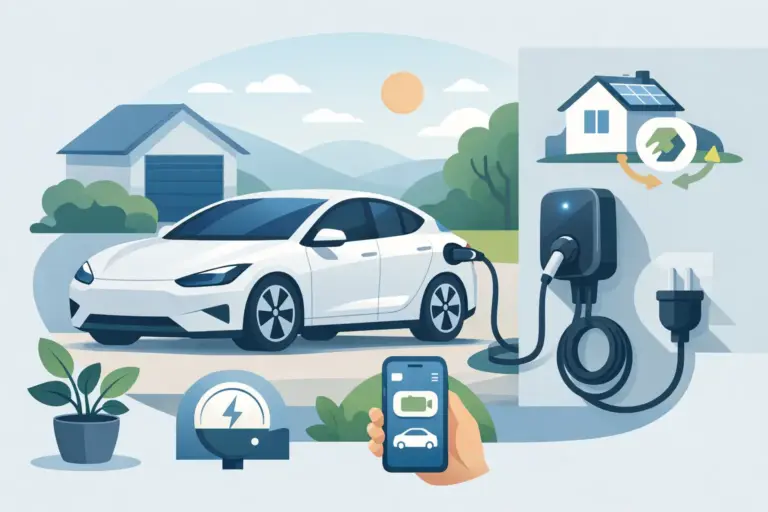
System size, panel type, inverter choice, battery capacity, and monitoring options all need to fit those priorities. Some customers want room to expand later, perhaps to add more battery capacity or support EV charging. Others want a straightforward system that covers the basics and stays within a set budget.
This is also where accreditation matters. Solar and battery work should be carried out by properly qualified installers who understand both renewable systems and the wider electrical safety requirements. Cutting corners to save money at the start can become expensive very quickly if the installation is poorly designed or difficult to support later.
What installation should look like
A professional installation should be planned, tidy, and clearly explained from the outset. That includes a site survey, performance discussion, checks on the existing electrical setup, and realistic advice about likely returns.
During the work itself, customers should expect clean workmanship, safe isolation procedures, and a sensible layout for equipment such as the inverter and battery. It should not feel like guesswork, and it should not leave the customer chasing answers after the install is complete.
Commissioning and handover matter just as much as the physical fitting. You should be shown how the system operates, how to read the monitoring, and what normal performance looks like across different seasons. Solar output is naturally lower in winter, so expectations need to be set properly from day one.
Common mistakes to avoid
One of the biggest mistakes is buying on headline price alone. A cheap quote can leave out important parts of the job, use lower-grade equipment, or fail to account for work needed on the existing electrical installation.
Another is assuming the battery will cover everything. Batteries are useful, but they have limits. Capacity, discharge rate, and backup capability vary by model, and not every system is designed to run the whole property in the event of a cut.
It is also easy to overestimate savings by relying on ideal figures rather than real property usage. Good advice should be honest, even if that means saying a smaller system is the better option.
For customers across Hull, East Yorkshire and Lincolnshire, local support matters as well. If you are investing in solar, you want an installer who can assess the property properly, explain the options clearly, and be there if you need help later.
A sensible next step
If you are considering solar, the best place to start is not with a sales pitch. It is with a proper assessment of the building, the current electrical system, and your actual energy use. That is how you find out whether solar panels alone are enough, whether battery storage adds genuine value, and what kind of return is realistic.
Done properly, solar is not a gimmick and it is not guesswork. It is a practical upgrade that can reduce reliance on imported electricity, improve control over energy costs, and add long-term value to the property. The right advice should feel straightforward, honest, and based on what works for your site – not what happens to be easiest to sell.