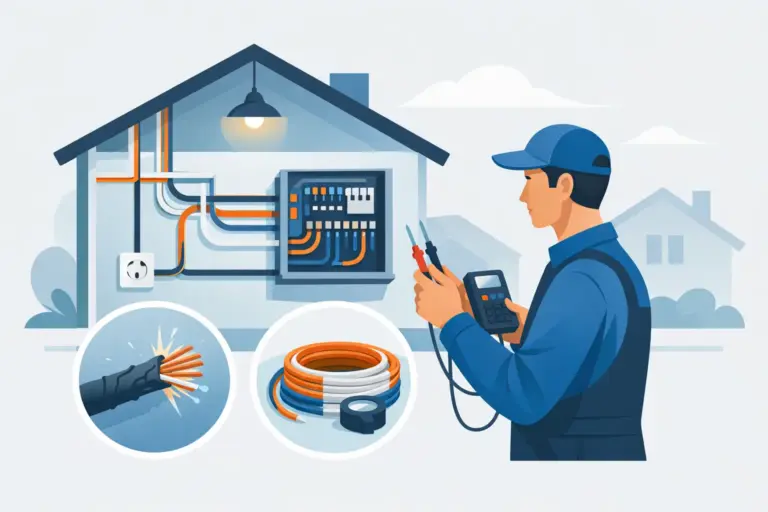


A socket that suddenly stops working, lights that flicker for no clear reason, or a fuse board that keeps tripping are easy to put off for another day. The trouble is, knowing how to spot electrical faults early can be the difference between a straightforward repair and a serious safety risk.
Most faults do not start with a dramatic failure. They usually begin with small warning signs that something is not quite right – a buzzing switch, a warm faceplate, a burning smell, or power dropping out on one circuit. If you know what to look for, you can act before the problem causes damage to appliances, disrupts your property, or puts people at risk.
How to spot electrical faults before they get worse
The first thing to understand is that electrical faults are not all the same. Some are localised, such as a damaged socket or a failed light fitting. Others sit deeper in the installation, perhaps in ageing wiring, overloaded circuits, poor previous work, or a fault to earth that trips protective devices.
For homeowners and landlords, the key is not diagnosing every technical detail yourself. It is recognising the signs that point to a fault and knowing when it needs proper testing by a qualified electrician.
One of the clearest warning signs is repeated tripping at the consumer unit. If an MCB or RCD trips once after a storm or a one-off appliance issue, that does not always mean there is a fixed wiring fault. If it keeps happening, though, there is a reason. It could be a faulty appliance, moisture getting into an outdoor fitting, a damaged cable, or an overloaded circuit. Resetting it again and again is not a solution.
Flickering lights are another common clue. Sometimes the cause is simple, such as a loose lamp or an incompatible LED. But if several lights flicker, dim when appliances turn on, or behave differently in one part of the property, the issue may be with the circuit, the connections, or the load being placed on the system.
Warm sockets and switches should never be ignored. A plug may feel slightly warm under normal use, especially with higher-load appliances, but the plate itself should not become hot. Heat suggests resistance somewhere it should not be, often due to a loose terminal, worn accessory, or overloading. That can develop into arcing and, in the worst cases, fire risk.
Then there are the signs people often notice but hope will go away: crackling noises, buzzing from switches, scorch marks, and a smell like burning plastic. These are all strong indicators that something needs attention quickly.
Common signs of electrical faults in homes and workplaces
Some symptoms are obvious, while others are easy to misread. Power cutting out completely is hard to miss. More subtle signs include lights dimming when the kettle boils, sockets that work intermittently, or appliances losing power unless the plug is held in a certain position.
In commercial settings, faults often show up as nuisance tripping, unreliable lighting, faulty emergency lighting indicators, or circuits that fail when more equipment is used. In rental properties, tenants may report chargers not working properly, showers cutting out, or one room regularly losing power while the rest of the property stays live.
It also depends on the age and condition of the installation. Older properties in Hull, East Yorkshire and Lincolnshire can still have wiring systems or consumer units that are well past their best. That does not mean every older installation is unsafe, but age increases the chance of deterioration, outdated protection, and hidden wear behind sockets, switches and fittings.
If a fault appears after building work, decorating, or outdoor work, there is an even stronger case for investigation. Screws, nails, moisture ingress and accidental cable damage are all common causes of electrical faults.
Faults linked to appliances or the fixed wiring
A useful first question is whether the issue follows one appliance or stays with one circuit.
If the trip happens only when the toaster, kettle, washing machine or another appliance is used, the appliance itself may be at fault. If several different items cause the same problem on one circuit, the fault may be in the wiring or accessories serving that area.
That said, there is overlap. A damaged socket can make a healthy appliance seem faulty. A failing appliance can trip a healthy circuit. That is why fault finding usually involves testing, not guesswork.
What overload looks like
Overloading is not the same as a wiring fault, but it often presents in a similar way. Extension leads packed with heaters, kettles, microwaves or office equipment can draw more current than the circuit or accessory is intended to handle safely.
Typical signs include tripping under heavy use, plugs getting hot, and power problems that appear at busy times but disappear later. The answer may be to reduce load, rearrange equipment across circuits, or upgrade the installation if it no longer suits how the property is used.
What you can check safely
There are a few sensible checks you can make without taking anything apart.
Start at the consumer unit. See whether an RCD or MCB has tripped and note which circuit is affected. If it trips again immediately after resetting, leave it off. If the issue appears to be linked to a portable appliance, unplug that item and try again.
Look for patterns. Does the problem happen when the shower is on, when outdoor lights are used, or only in wet weather? Does one room lose power while the rest of the property stays on? Fault patterns are useful because they help narrow down the cause more quickly.
Check accessories visually. A cracked socket, discoloured switch, loose faceplate, damaged flex, or exposed wiring all need professional attention. You should also stop using any fitting that smells hot, makes noise, or shows signs of scorching.
What you should not do is remove socket fronts, open the consumer unit, or keep forcing a tripping device back on. Electrical testing exists for a reason. Faults are not always visible, and some are dangerous even when nothing looks badly wrong on the surface.
When an electrical fault is urgent
Some faults can wait for a booked visit. Others need dealing with as soon as possible.
If you have burning smells, smoke, visible sparks, a complete loss of power to essential circuits, water near electrical equipment, or signs of overheating at the consumer unit, treat it as urgent. The same applies if vulnerable people, tenants, staff or customers are affected, or if a commercial property cannot operate safely.
For landlords, speed matters for another reason as well. An unresolved fault can become a compliance issue if it affects the safety of the installation. For business owners, electrical downtime quickly becomes a practical cost as well as a safety concern.
A good electrician will not just restore power and leave. Proper fault finding means identifying the cause, testing the circuit, and making sure the problem is actually resolved rather than temporarily masked.
Why professional fault finding matters
This is where experience counts. Electrical faults can be straightforward, but they can also be intermittent, hidden, or caused by more than one issue at once. A tripping RCD might point to an outdoor fault, a damaged cable, a faulty appliance, or cumulative leakage from several circuits. Without the right test equipment and methodical checks, it is easy to waste time and money chasing the wrong thing.
Professional fault finding should be clear and practical. You want honest advice on whether the issue is isolated or part of a wider problem, whether repair is sensible, and whether the installation shows signs that further work may soon be needed.
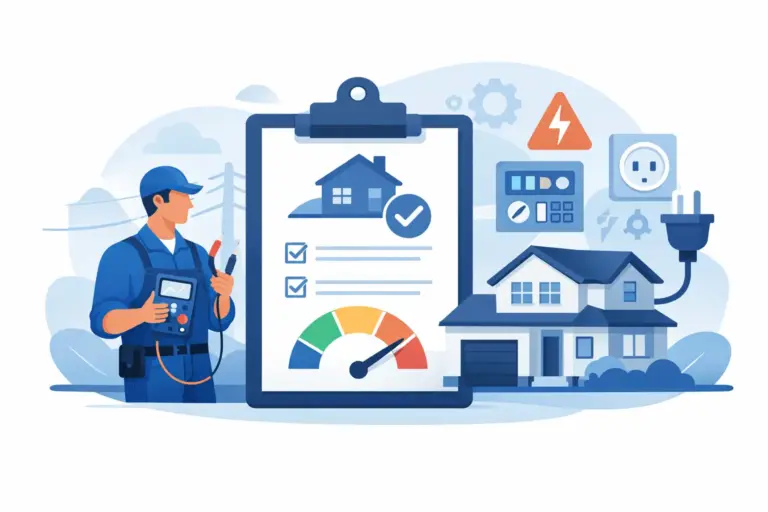
That is especially important in older homes, rented properties, and business premises where you need confidence that the electrical system is safe, compliant and fit for use. In many cases, an Electrical Installation Condition Report is the right next step if faults are recurring or the property has not been tested for some time.
For local customers, this is where a contractor like Steel Electrical Services Ltd can add real value – not just by turning up quickly, but by approaching the job properly, carrying out the right tests, and giving straightforward advice without sales pressure.
How to reduce the risk of future faults
Not every electrical fault can be prevented, but plenty can be picked up earlier. If your installation is old, if you are adding more electrical demand such as EV charging or electric heating, or if you have recurring nuisance trips, it is worth having the system assessed before a small issue becomes a bigger one.
Regular inspection is particularly sensible for landlords and commercial premises, where wear and tear is higher and compliance matters. Homeowners benefit too, especially before major decorating, kitchen refits, or property sales.
Good habits help as well. Do not overload extensions, replace damaged accessories promptly, and pay attention to changes in how your electrics behave. Systems usually give warnings before they fail completely.
If something feels off, trust that instinct. Electrical faults rarely improve on their own, and the safest move is often the simplest one – stop using the affected circuit or appliance and get it checked properly before it turns into a more serious problem.