

If you have already bought an electric car, or you are close to ordering one, charging soon becomes a practical question rather than a technical one. Public charging has its place, but ev charger installation at home is what makes day-to-day ownership easier. Plug in at night, wake up to a charged vehicle, and stop planning your week around where the next available charger might be.
For most households, the job itself is straightforward when the property is suitable. The detail sits in the checks that happen before any drilling starts – your consumer unit, your earthing arrangement, cable route, charger location and whether your incoming supply can support the extra demand safely. That is why this is not a DIY job and not something to leave to a general handyman.
Why ev charger installation at home makes sense
Home charging is usually the most convenient and cost-effective option if you have off-road parking. Instead of relying on rapid chargers that can be busy or expensive, you charge when the car is parked anyway. That often means overnight, when many tariffs are cheaper.
There is also a big difference between charging from a proper wall-mounted charger and using a standard three-pin socket. A domestic socket may be acceptable for occasional emergency use, but it is slow and not designed for regular heavy load over long periods. A dedicated EV charger gives you safer, faster, more controlled charging.
For some households, the benefit is mainly convenience. For others, it is about making the most of low-rate electricity, solar PV, or battery storage. If you are already thinking about wider energy upgrades, a charger can form part of a more joined-up setup rather than a stand-alone add-on.
What happens before installation starts
A proper survey matters. The charger itself is only one part of the job. The installer first needs to understand how your existing electrical system is set up and whether anything needs upgrading.
Your electrical supply and consumer unit
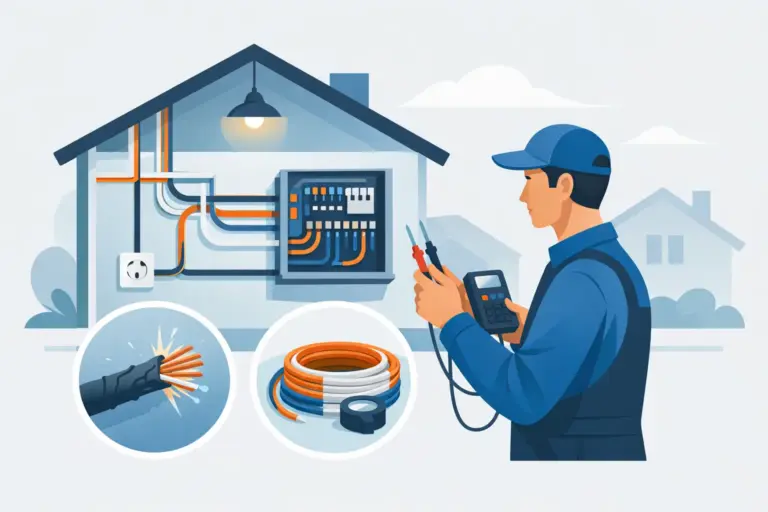
One of the first checks is whether your current installation can support the charger. Many home chargers are rated at 7kW, which is suitable for most domestic properties, but that still adds a significant load. If your consumer unit is outdated, lacks spare capacity, or does not meet current requirements, remedial work may be needed before the charger can be fitted.
This is also where earthing comes into play. Some properties need additional protective measures depending on the supply type. A qualified installer will identify this and specify the right solution rather than forcing a charger onto a system that is not ready for it.
Parking position and cable route
The ideal charger position is not always the nearest wall to the driveway. It needs to be practical, protected and reachable without trailing leads across a pavement or creating a trip hazard. Cable routing also affects the finish of the job. In some homes, the run is short and simple. In others, the cable may need to pass through garages, around extensions or across external walls.
A tidy installation is not just about appearance. It also helps with longevity, protection from damage and ease of use over time.
Internet connection and smart charging
Many chargers now include smart functions such as scheduled charging, app control and energy monitoring. These features can be useful, especially if you want to charge on an off-peak tariff. That said, the best option depends on how you use the car. Some customers want every smart feature available. Others just want a reliable charger that works without fuss. Honest advice matters here because more features do not always mean a better fit.
How long does ev charger installation at home take?
In a straightforward domestic setup, installation is often completed within a day. If the cable run is longer, access is awkward, or extra work is needed at the consumer unit, it may take longer. The timescale can also depend on any pre-installation upgrades required.
The important point is that the charger should not be rushed in without the right checks, testing and certification. A clean, quick job is the goal, but not at the expense of safety or compliance.
What affects the cost?
This is one of the first questions most people ask, and rightly so. The charger unit is only part of the total price. The final cost depends on the charger brand and specification, the complexity of the cable route, the distance from the consumer unit, and whether any upgrades are needed to the existing electrical installation.
A simple install on a modern property with a short cable run is naturally more affordable than a job involving long external containment, groundworks or consumer unit alterations. If you are comparing quotes, make sure you are comparing like for like. A cheaper figure on paper can leave out essential work, finishing details or certification.
A proper quotation should be clear about what is included. That gives you a better basis for decision-making than a vague headline price.
Choosing the right charger for your home
Most domestic customers do well with a 7kW charger, but the right unit depends on more than charging speed alone. You should think about how often you drive, when you normally charge, whether more than one person will use the charger and whether you already have solar panels or battery storage.
Tethered or untethered
A tethered charger has a built-in cable, which is convenient for daily use. An untethered charger has a socket, so you plug in your own cable each time. Some people prefer the cleaner look of untethered units, while others value the simplicity of a cable that is always ready to go. Neither is automatically better – it comes down to preference, parking setup and who will be using it.
Smart features and energy use
If you are on a time-of-use tariff, smart scheduling can reduce running costs. If you have solar PV, some chargers can prioritise surplus generation. These are useful features when they match the property and the customer. They are less useful if you just want dependable overnight charging and have no interest in managing everything through an app.
That is where a no-nonsense approach helps. The best charger is the one that suits the way you live, not the one with the longest specification sheet.
Why professional installation matters
There is a lot of current flowing through an EV charging circuit for extended periods. That means the design, protection, isolation and testing all need to be right. A poor-quality installation can create nuisance tripping at best and a serious safety risk at worst.
A qualified electrician will assess the circuit properly, install the charger in line with current regulations, carry out the required testing and provide certification. That protects you as the homeowner and gives you confidence that the charger is safe to use every day.
Accreditations matter too. They show that the installer works to recognised standards and is assessed on competence. For customers in Hull, East Yorkshire and Lincolnshire, this is exactly the sort of work that Steel Electrical Services Ltd carries out – practical advice, clean installations and no pressure to buy more than you need.
Common issues that can delay a home charger install
Not every property is ready on day one. Older consumer units, limited spare ways, inadequate earthing arrangements, awkward parking layouts and long cable runs can all affect the scope of work. Flats and shared parking areas can be more complicated again, especially where permissions or communal supplies are involved.
That does not always mean the job cannot be done. It usually means it needs to be planned properly. A good installer will explain what is required, what is optional and where the trade-offs are.
Is it worth installing a charger if you may move house?
Often, yes. A home charger can make your own day-to-day life easier straight away, and it may also add appeal for future buyers who already drive electric or expect to in the near future. It is unlikely to be the only feature that shapes a sale, but it is a useful practical upgrade, especially where off-road parking is available.
If you are a landlord, the value is slightly different. A charger can help future-proof the property and make it more attractive to tenants, but the right approach depends on parking arrangements, tenancy turnover and the type of property.
What to do next
If you are considering ev charger installation at home, the best first step is a proper assessment of the property rather than guessing based on online prices. The charger needs to suit the car, the home and the way you actually use both.
A good installer will tell you if the job is simple, if any upgrades are needed, and what the finished setup will look like before work begins. That saves surprises later and helps you spend money in the right place. When the advice is honest and the installation is done properly first time, home charging becomes one of the easiest parts of owning an electric vehicle.