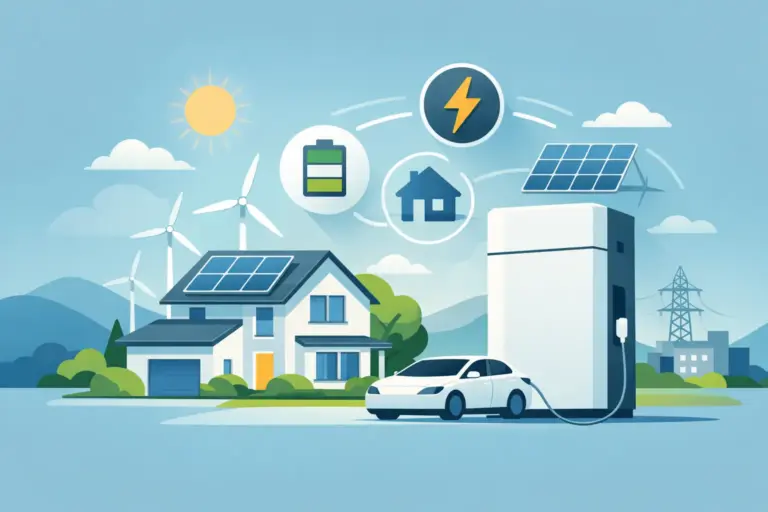


Arriving home with enough charge for tomorrow changes how you use an electric vehicle. This guide to home EV charging explains what a proper installation involves, how to choose the right charger, and why the cheapest quote is not always the best value.
For most drivers, charging at home is more convenient and usually cheaper than relying on public charge points. But an EV charger is a high-load electrical installation, not simply a socket on the wall. The condition and capacity of your existing electrical installation matter just as much as the charger itself.
Why a dedicated home charger is usually the right choice
A dedicated home charge point is designed to deliver power safely for long periods. Most domestic installations use a 7kW charger, which can add roughly 25 to 30 miles of range per hour, depending on the vehicle, battery condition and weather. For many households, that is enough to recharge overnight after normal daily use.
A standard three-pin socket can be useful for occasional or emergency charging, but it is slow and may place sustained demand on circuits that were not designed for it. Charging this way regularly can increase the risk of overheating, particularly where sockets, wiring or connections are older or already worn.
A professionally installed charger gives you a dedicated circuit, appropriate protective devices and a charge point suited to the location. Many models also allow scheduled charging, usage monitoring and remote control through an app.
Guide to home EV charging: choosing charger power
The right charger depends on your vehicle, driving habits and property supply. A 7kW unit is the common choice for homes with a single-phase electricity supply. It offers a practical balance between charging speed, installation cost and everyday convenience.
Some larger homes and commercial premises have a three-phase supply, which can support faster charging, often up to 22kW where the vehicle can accept it. However, a 22kW charger will not make every EV charge at 22kW. The vehicle’s onboard charger sets the maximum AC charging rate, so it is worth checking the manufacturer’s specification before selecting equipment.
There is little value in paying for more power than your car or electrical supply can use. Equally, choosing a lower-powered charger solely to reduce the initial cost may become frustrating if your mileage increases or a second EV joins the household. Honest advice should consider how you use the property now and what may change over the next few years.
Tethered or untethered chargers
A tethered charger has a charging cable permanently attached. It is quick and convenient: park, plug in and charge. The cable needs somewhere tidy to sit when not in use, and you will need a compatible connector if you change vehicle.
An untethered charger has a socket on the unit and uses the cable supplied with your car. This can look neater and may offer more flexibility between vehicles, but you need to take the cable out each time. Neither option is inherently better. It is mainly a question of convenience, cable management and the vehicles you expect to charge.
Smart charging features that are worth having
A smart charger can schedule charging for lower-cost overnight tariffs and show how much electricity your vehicle uses. This makes it easier to manage charging without needing to remember to plug in at a certain time or switch the unit on manually.
Look for a unit with reliable load management. This monitors demand in the property and can reduce charging output temporarily if other appliances are using significant power. It helps avoid overloading the supply, which is particularly useful in properties with electric showers, induction hobs, heat pumps or other high-demand equipment.
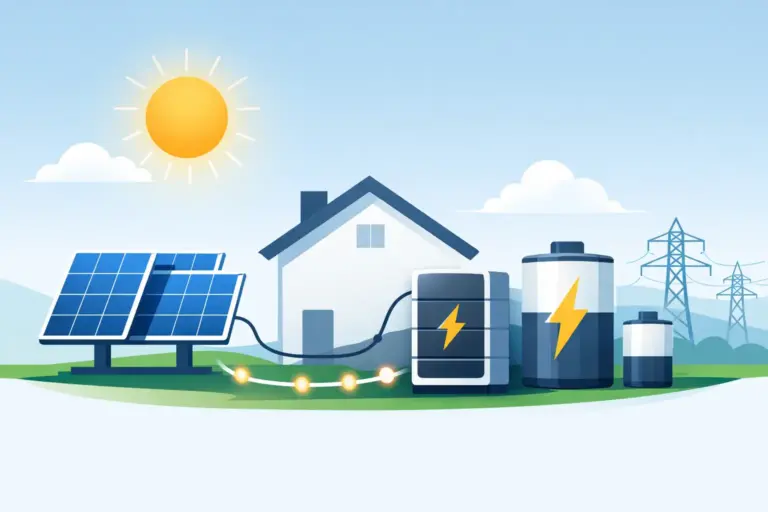
If you have solar PV, some charge points can prioritise surplus generation. This can make good use of power that might otherwise be exported, although charging speeds will vary with the weather and household electricity use. A system should be configured around your normal driving pattern, not just the best day of summer sunshine.
What an electrician checks before installation
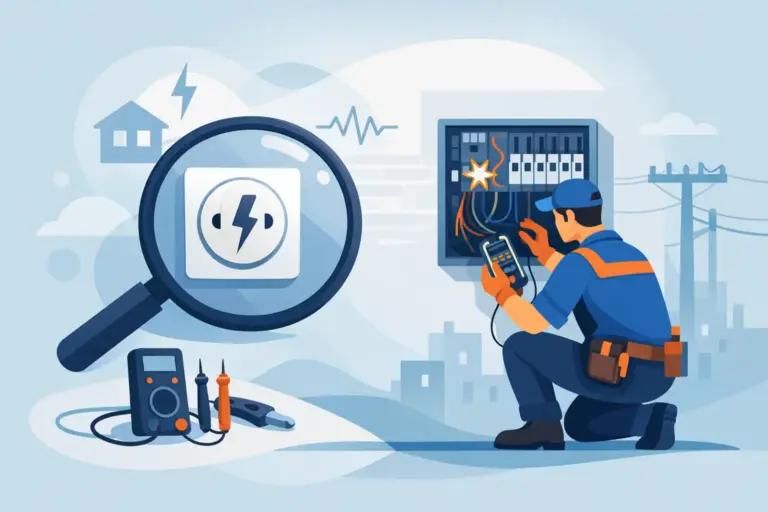
A suitable installation starts with a survey. The charger location is only one part of the decision. A competent electrician will assess the consumer unit, earthing arrangements, available supply capacity and the route for the new cable.
The charger normally requires its own circuit from the consumer unit, with protection selected to suit the equipment and installation. The work must comply with BS 7671, the UK Wiring Regulations, and relevant building regulations requirements. Your installer may also need to notify the distribution network operator, depending on the charger and supply arrangement.
Older consumer units, limited spare capacity or unsuitable earthing do not necessarily prevent an EV charger installation. They may mean that additional work is required, such as a consumer unit upgrade, a new enclosure or load management equipment. Identifying this before work begins prevents unexpected compromises and helps ensure the finished installation is safe.
Cable routing also affects the price and appearance of the work. A charger mounted close to the consumer unit with a straightforward route is generally simpler than one needing a long external run, underground cable, wall drilling or work across a driveway. Good installers explain these options clearly and aim for a clean, durable finish rather than taking shortcuts.
Where should an EV charger be fitted?
The best location is usually where you park, with enough cable reach to connect without creating a trip hazard. For a driveway, this may be an external wall or a purpose-made pedestal. The charger should be positioned to protect the cable, remain accessible and avoid damage from vehicles, gates or routine garden work.
If your parking space is separate from your home, the installation can be more complex. Crossing a public pavement with a charging cable is not a safe or acceptable solution. Depending on the layout, you may need to explore an approved cable channel, a dedicated off-street solution or local authority permissions.
Flat owners and leaseholders should check the lease and obtain any required permission from the freeholder or managing agent before installation. Landlords should also consider whether installing a charger will benefit the property and how electricity use will be managed between tenancies. Clear responsibility for maintenance and access avoids disputes later.
Understanding home EV charger costs
The total cost of home charging has two parts: the installation and the electricity you use. Installation pricing varies because no two properties are exactly alike. Charger model, cable length, consumer unit condition, groundworks, supply upgrades and parking layout can all affect the final figure.
It is sensible to compare like-for-like quotes. A low price may exclude essential electrical work, testing, certification or smart load management. Ask what charger is proposed, where the cable will run, whether the consumer unit has been assessed and what documentation you will receive on completion.
Your charging cost depends on your electricity tariff and the efficiency of the vehicle. Off-peak tariffs can make a significant difference for drivers who can charge overnight. Public rapid charging remains useful for longer journeys, but it is normally more expensive per mile than charging at home on a suitable tariff.
Safety, testing and everyday use
Once installed, treat the charger as part of your electrical installation. Keep the cable and connector clean, avoid trapping or stretching the lead, and do not use damaged equipment. If the charger trips repeatedly, becomes unusually warm, shows fault messages or has visible damage, stop using it and arrange an inspection.
Your installer should test the work and provide the relevant electrical certification. Keep this with your other property records, particularly if you are a landlord, property manager or planning to sell. If you have an EICR carried out later, make sure the EV circuit is included in the inspection.
A home charger should make EV ownership simpler, not create uncertainty around safety or capacity. For homeowners, landlords and property professionals across Hull, East Yorkshire and Lincolnshire, a properly surveyed installation by a qualified contractor provides a reliable place to charge today while leaving room for the way you may use energy tomorrow.