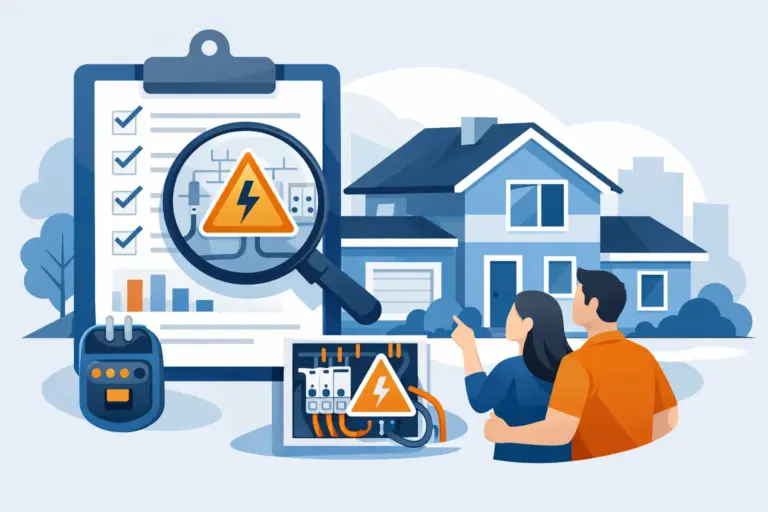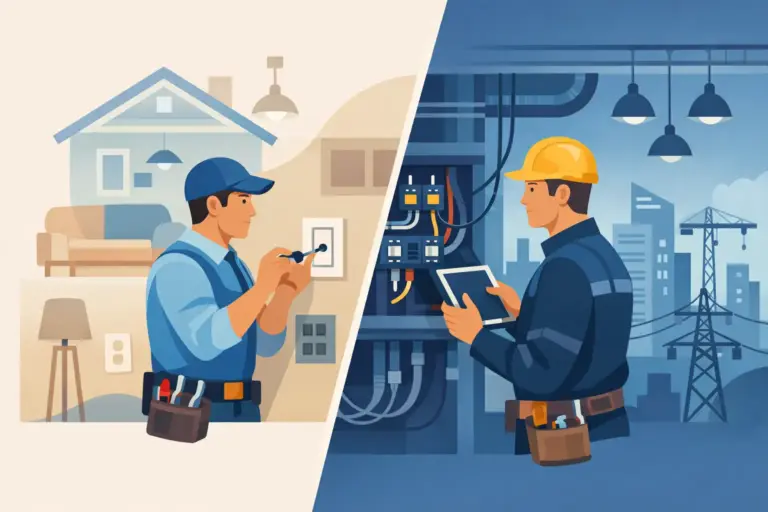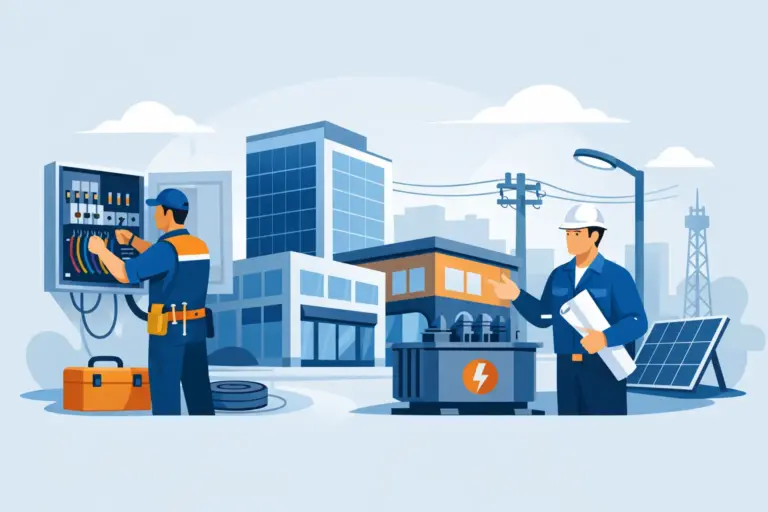


A circuit that keeps tripping, lights that flicker without warning, or sockets that stop working can quickly become more than an inconvenience. An electrical fault finding service identifies the cause safely, rather than simply resetting a breaker or replacing a visible accessory and hoping the problem does not return.
For businesses, landlords and property owners, a fault can interrupt trading, affect tenant safety, damage equipment and raise questions about electrical compliance. The right response is a methodical investigation by a qualified electrician, followed by a repair that addresses the source of the issue.
What an electrical fault finding service involves
Electrical fault finding is a diagnostic process. The electrician gathers information about what has happened, inspects the installation, carries out appropriate tests and narrows down the affected circuit or component. The aim is to establish both where the fault is and why it occurred.
A consumer unit may trip because of an overloaded circuit, a damaged cable, moisture entering an outdoor fitting, a failed appliance, deteriorated insulation or a loose connection. These problems can produce similar symptoms, but they require very different repairs. Repeatedly resetting protective devices is not a solution and can hide a developing safety issue.
A professional visit will usually begin with questions about when the fault occurs. Does it happen when a particular item of equipment is switched on? Is it worse after rain? Did it begin after building work, a new appliance or an EV charger installation? These details help focus the investigation, especially where an intermittent fault is involved.
The electrician will then inspect accessible parts of the installation and use calibrated test equipment where required. This may include continuity, insulation resistance, polarity and earth fault loop impedance testing, alongside checks of protective devices and connections. Testing must be selected and carried out carefully to suit the installation, particularly in occupied commercial premises where sensitive equipment is in use.
Common faults in homes and commercial properties
Faults do not always look dramatic. In many cases, the first warning sign is a circuit breaker or RCD that trips occasionally. An RCD is designed to disconnect the supply when it detects an imbalance that could indicate current flowing to earth. It is a valuable safety device, but repeated tripping needs investigation.
In homes and rental properties, common causes include damaged sockets, ageing wiring, bathroom extractor fans, outside lights, cooker circuits and faults within appliances. Moisture can be a factor in garages, sheds and external fittings, particularly after poor weather. In older properties, wear and alterations made over many years can also make faults harder to trace.
Commercial premises introduce different demands. Retail units, offices, workshops and communal areas often have more circuits, more equipment and a greater need to maintain continuity of service. Portable equipment, refrigeration, signage, emergency lighting, data equipment and machinery can all contribute to a fault pattern. A single loose connection may cause heat build-up, nuisance tripping or intermittent loss of supply long before it becomes obvious.
Landlords and managing agents should take reports of hot sockets, buzzing accessories, burning smells, shocks, flickering lighting or repeated tripping seriously. These are not issues to leave until the next routine inspection. Isolating the affected area where safe to do so and arranging an electrician promptly protects occupants and helps prevent more extensive damage.
Why a circuit keeps tripping
A tripping breaker is often treated as the fault itself. In reality, it is usually doing its job by disconnecting a circuit when it detects overload, short circuit or earth leakage.
An overload occurs when a circuit is asked to supply more current than it is designed to carry. This may happen when several high-demand appliances are used from the same circuit. A short circuit can occur where live and neutral conductors come into contact, often because of cable damage or a failed accessory. Earth leakage is different again and may be caused by failing insulation, moisture, a faulty appliance or an issue on a connected circuit.
The distinction matters. Replacing a breaker without establishing why it operated can leave the underlying problem unresolved. Equally, upgrading a consumer unit will not fix faulty equipment or damaged wiring elsewhere in the property. The correct repair depends on the test results and condition of the installation.
The value of a methodical diagnosis
Fault finding can take longer than a straightforward repair because the visible symptom is not always located near the cause. A light fitting may be affected by a poor connection elsewhere on the circuit. An RCD may trip only after a particular appliance has warmed up. A cable fault may be hidden beneath floors, behind walls or above ceilings.
This is why honest advice matters. A competent electrician should explain what has been found, what testing has ruled out, and the options for repair before work proceeds where practical. Some faults can be repaired during the initial visit. Others may need further investigation, replacement parts or planned access to areas of the building.
For a business, the best approach may be to make the affected circuit safe first and schedule repairs outside operating hours. For a landlord, speed may be the priority where tenants are without lighting, heating controls or essential power. In a home, it may be sensible to combine the repair with recommended upgrades if the consumer unit or wiring is showing wider signs of age. There is no one-size-fits-all answer, but safety should always come first.
Fault finding, EICRs and planned maintenance
An Electrical Installation Condition Report, or EICR, assesses the condition of fixed wiring and identifies defects against current safety standards. It is an important part of compliance for landlords and a sensible safeguard for commercial property operators. However, an EICR is not always the same as investigating a live, intermittent fault.
If a circuit is actively tripping or equipment is losing power, targeted fault finding is normally needed to diagnose that immediate issue. The results may then indicate that a wider inspection or remedial programme is appropriate. For example, repeated failures caused by damaged accessories may point to a local repair, while poor test readings across several circuits may justify a broader review of the installation.
Planned electrical maintenance can reduce the likelihood of disruptive failures. Regular inspections of distribution boards, lighting, external supplies, emergency systems and high-use accessories can identify loose connections, heat damage and deterioration before they lead to downtime. This is particularly valuable in commercial environments where an electrical failure can affect staff, customers and operations at once.
When to call an electrician urgently
Some faults should not wait. Switch off the affected circuit if it is safe to do so and arrange professional help promptly if you notice burning smells, scorch marks, smoke, sparking, electric shocks, exposed cables or a consumer unit that is hot to the touch.
Urgent attention is also sensible when a loss of power affects critical business equipment, fire safety systems, security systems, refrigeration or essential tenant facilities. Do not remove consumer unit covers, attempt to bypass an RCD or replace protective devices with a higher rating. These actions can increase the risk of fire or electric shock.
Choosing the right electrician for fault finding
Fault diagnosis relies on both experience and proper testing. Choose an electrician who is suitably qualified, works to current standards and can clearly explain the findings. NICEIC-approved contractors provide added reassurance that their work is assessed against recognised industry requirements.
It is also worth asking what will happen after the fault is identified. A clear service should distinguish between diagnosis, immediate safety work and any further repairs needed. This helps property owners make informed decisions and avoids surprises where an intermittent or concealed problem needs additional time to resolve.
Steel Electrical Services Ltd provides responsive fault finding for domestic and commercial properties across Hull, East Yorkshire and Lincolnshire, with a focus on safe diagnosis, practical repairs and clear communication from the first visit.
Frequently asked questions
Can I keep resetting a tripped circuit breaker?
You may reset it once after unplugging appliances on the affected circuit, but repeated tripping is a warning that needs professional investigation. If the breaker will not reset, or there are signs of heat, damage or burning, leave it off and call an electrician.
How long does electrical fault finding take?
Simple faults can sometimes be identified and repaired within one visit. Intermittent faults, hidden cable damage and problems affecting larger commercial installations may take longer. The time needed depends on access, the size of the installation and whether the fault is present during testing.
Is a faulty appliance part of the fixed electrical installation?
Usually, no. Appliances can cause a circuit or RCD to trip even when the fixed wiring is sound. Testing helps separate an appliance issue from a fault in the installation, preventing unnecessary electrical repairs.
A reliable diagnosis gives you more than working lights or a reset circuit. It gives you confidence that the cause has been properly addressed, helping protect people, property and the day-to-day operation of the space.