

If you have been asked for paperwork after electrical work, a tenancy change, or a property sale, it is easy to get stuck on the question of eicr vs electrical certificate. People often use the terms as if they mean the same thing, but they do not. That matters because the wrong document can leave you without the proof you actually need.
In simple terms, an EICR (electrical installation condition report) is a report on the condition of an existing electrical installation. An EIC (electrical installation certificate) is usually proof that electrical installation work has been carried out and tested correctly. One looks at what is already there. The other confirms work that has just been done.
That is the short answer. The more useful answer is knowing which one applies to your property, your legal duty, and the job in front of you.
EICR vs EIC – what is the difference?
An EICR stands for Electrical Installation Condition Report. It is an inspection and testing process carried out on an existing installation to assess whether it is safe for continued use. It does not mean new work has been completed. It means an electrician has inspected what is already in place and reported on its condition.
An EIC, on the other hand, is generally issued when installation work has been carried out. Depending on the job, this might be an Electrical Installation Certificate for larger works such as a new circuit or rewire, or a Minor Electrical Installation Works Certificate for smaller jobs like certain alterations or additions.
So if you have had a consumer unit replaced, a new circuit installed, or significant electrical alterations completed, you would usually expect a certificate for that work. If you want to check whether an older installation is safe, or you are a landlord who needs to meet inspection requirements, you would usually need an EICR.
That difference is where most confusion starts. Customers are often told they need a certificate when what they really need is a report, or vice versa.
What an EICR is actually for
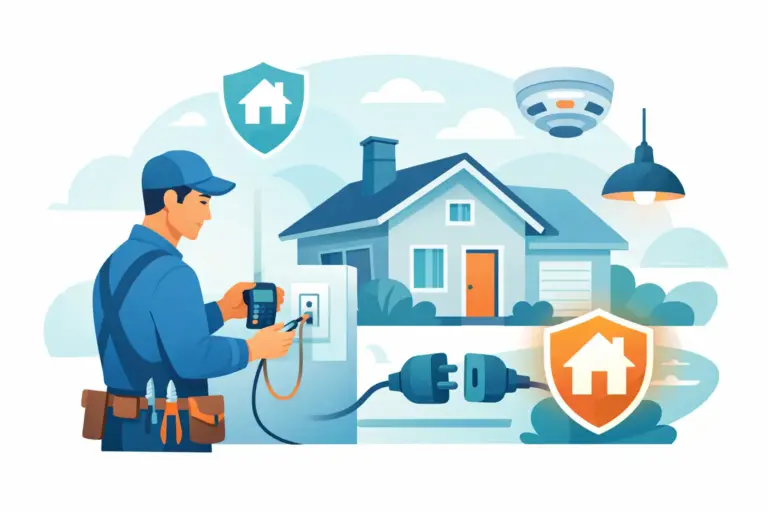
An EICR is about inspection, assessment, and safety. The electrician checks the fixed wiring, accessories, consumer unit, earthing, bonding, and overall condition of the installation. Testing is carried out to identify wear and tear, deterioration, damage, poor workmanship, and anything that no longer meets safety expectations.
The report then records any observations and classifies them. Some issues are potentially dangerous and need urgent attention. Others may not present immediate danger but still need improvement.
This is why an EICR is often needed for rented properties, commercial premises, and homes that have not been inspected in years. It gives a clear picture of the condition of the installation at that point in time.
It is not a certificate saying everything is brand new. It is not a pass mark for recent work. It is a condition report.
What an EIC is actually for
An electrical certificate is tied to completed electrical work. It confirms that the work has been designed, installed, inspected, and tested in line with the relevant standards at the time it was done.
For larger jobs, that is usually an Electrical Installation Certificate. For smaller jobs that do not involve a completely new circuit, it may be a Minor Electrical Installation Works Certificate.
This paperwork matters because it shows the work was properly tested and signed off. It can also be important for building control compliance, insurance records, property sales, and future fault finding. If someone has added circuits, altered wiring, or upgraded parts of the installation, that certificate is the record of what was done.
Without it, there may be no proper trail showing the work was checked at the time of installation.
When you need an EICR and when you need a EIC
This depends on the situation.
If you are a landlord, an EICR is often the key document because you have a legal duty to ensure the installation is inspected and tested at the required intervals (usually every 5 years for residential). If you are buying a property and want to know whether the wiring is in good condition, an EICR is the sensible choice. If you run a business and need to assess the safety of an existing electrical system, again, that points to an EICR.
If you have just had electrical work carried out, you normally need the relevant certificate for that work. This would normally be an EIC or a minor works certificate. That includes jobs such as rewires, new circuits, consumer unit changes, and many alterations or additions. In some cases, notifiable work may also need to be registered properly. This should all be done by the contractor carrying out the work.
Sometimes you need both. A landlord may have remedial works completed after an EICR, then receive certificates for those repairs or alterations as well. A homeowner might have a dated installation inspected through an EICR, then go ahead with upgrade works that come with a new EIC.
Why the wrong paperwork causes problems
This is where no-nonsense advice matters. If somebody asks for an EICR and you hand over a minor works certificate from a small job completed two years ago, that may not satisfy the requirement. Equally, if you have paid for a full rewire and only receive an EICR, that does not replace the EIC you should expect for the new work.
The documents answer different questions.
An EICR answers: is the existing installation in a satisfactory condition at the time of inspection?
An EIC answers: was this specific electrical work installed and tested correctly when it was completed?
Mixing the two up can create delays with landlords, buyers, solicitors, insurers, and managing agents. It can also leave you paying twice – once for the wrong document, and again for the right one later.
EICR vs EIC for landlords
Landlords are one of the groups most affected by this confusion. In most cases, the legal requirement centres on periodic inspection of the installation, which means an EICR. If that report identifies issues, remedial works may then be needed. Once those works are completed, the electrician may issue the appropriate certificate for that repair or installation work.
That does not mean the certificate replaces the EICR itself. They serve different purposes.
For rental properties, the best approach is to treat the EICR as the main inspection document and any certificates as supporting records for work carried out afterwards. Keeping both on file is the sensible option.
For homeowners, it depends on the job
Homeowners usually come across this when selling, buying, renovating, or upgrading an older fuse board. If you are simply being cautious and want to know the state of the electrics, book an EICR. If you are having actual installation work done, expect the relevant certificate when the job is finished.
If you are not sure whether your electrician is quoting for an inspection or for new work sign-off, ask directly. A good contractor should explain it in plain English. You should know whether you are paying for a condition report, a certificate for completed works, or both.
That clarity is especially useful in older homes around Hull, East Yorkshire, and Lincolnshire, where installations may have been altered over time by different trades and previous owners. One piece of paperwork rarely tells the full story unless it matches the job properly.
For commercial properties, records matter even more
Business owners and commercial property operators often need a clearer paper trail. An EICR helps show that the existing installation has been assessed for ongoing safety. Certificates show that any upgrades, additions, or alterations were properly completed and tested.
In offices, shops, industrial units, and mixed-use premises, both documents may be relevant over time. If there is ever a fault, an insurance query, or a compliance check, accurate records can save a lot of hassle.
This is one reason many customers prefer to use an approved contractor who handles both inspection and certification properly. The work itself matters, but so does the paperwork behind it.
What to ask before booking
Before any work starts, ask what document you will receive at the end and why. Ask whether the visit is for inspection of an existing installation, certification of new work, or remedial works following defects found. If a quote is vague, get it clarified before you agree.
It is also worth asking whether any defects found on an EICR are likely to require follow-up work and a new separate certificate. That way, there are no surprises.
A reliable electrician will not bury this in jargon. They will tell you plainly what is needed, what is optional, and what the regulations require.
The practical answer most people need
If you remember one thing, make it this. An EICR checks the condition of existing electrics. An EIC confirms electrical work has been carried out and tested.
Neither is better in every case. The right one depends on whether you are inspecting what is already there or certifying work that has just been done. That is the point where honest advice saves time, money, and a lot of avoidable back and forth.
If you are unsure, the best next step is not guessing from the name of the document. It is getting clear advice based on your property, the type of work involved, and what the paperwork is actually needed for. Steel Electrical Services Ltd deals with this every day, and the right answer is usually simpler than it first sounds.
Good electrical paperwork should give you confidence, not confusion.